
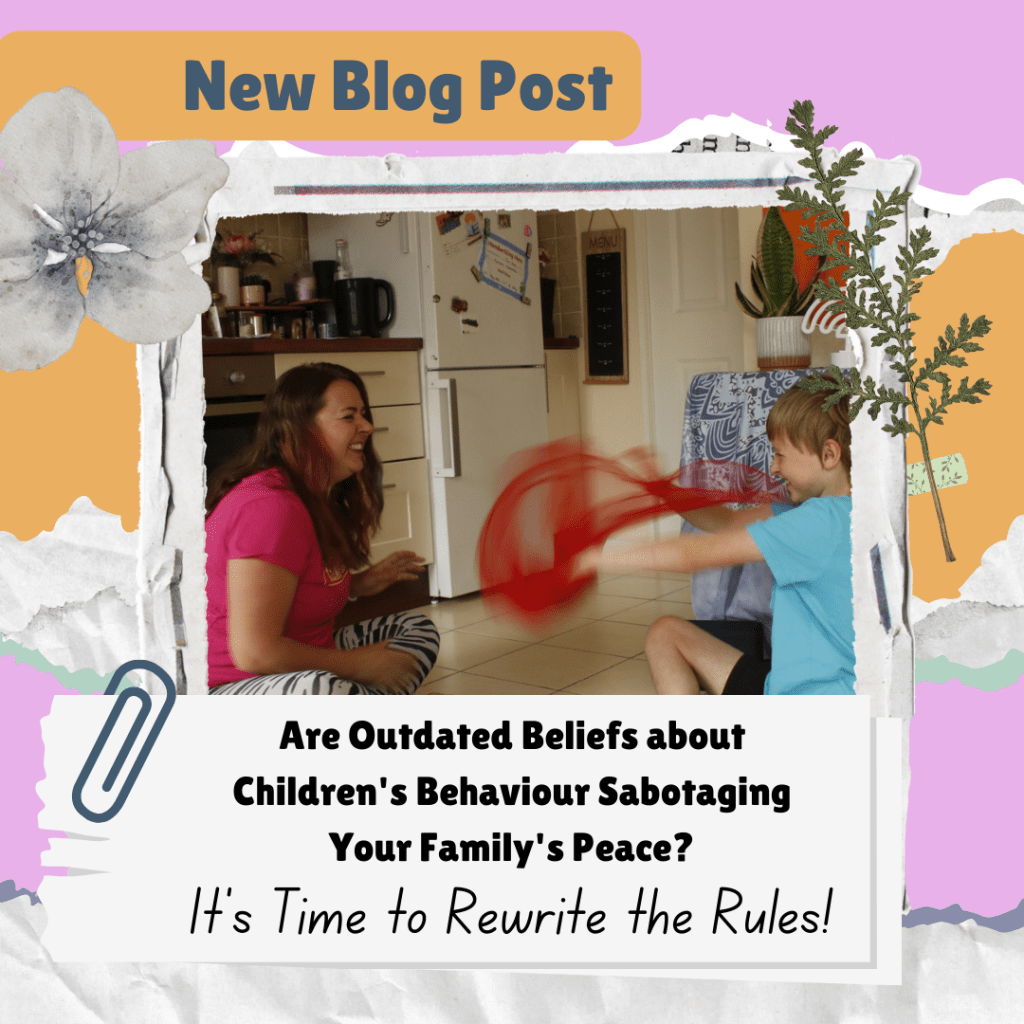
When the kids are shouting at each other and stress levels are high, sometimes it takes absolutely everything in me to not scream “Shut up and go to your rooms!”.
I can remember a picture I drew for my mum once. I drew a picture of her, my sister and myself. It was a stick figures meets triangular dresses kinda style. It read “My mum is beautiful like a princess. She tells us to shut up and go to bed.” There me and my sister stood looking very guilty, and my mum in her lovely triangle princess dress looking angry and pointing away (most likely at our bedroom doors).
Now, me and my mum have a great relationship, and she is the first person I call to talk about my emotions, but back when I was a kid – talking about feelings just wasn’t the done thing, especially when it was on the end of arguing with my siblings. That was just kids being kids, and parents needed to step in and take control through strict discipline methods.
Understanding children’s stress responses has allowed me to see that when my kids are arguing or acting in a way that drives me nuts, it’s usually their nervous system communicating that something is bothering them. It’s not just kids arguing because they are kids, or kids not listening because they don’t care, or even kids not putting shoes on because they’re being lazy. It is often a case of stress showing up in the way they are behaving.
Children get stressed too:
The reality is that kids get stressed too. They don’t usually communicate it in the way adults would, like saying they had a hard day. It comes out in all kinds of ways and sometimes it’s not until you’ve really checked in with your child, that you realise what is at the root of everything.
This is something that can be easily missed if we just send kids to be alone in their room. That sends the message of “Your feelings are too big for me to handle.” or even “Your feelings are inconvenient.” This of course is not the intention, and it has been the done way for so long! But I am here to talk about another way.
Embracing the imperfection in parenting:
The goal is not to be a perfect parent, or even to one up our own parents. My own personal goal is to parent in a way that aligns with what I feel in my heart is best for my children. This has included learning about child development, the nervous system and gentle/conscious parenting approaches. Something we are blessed to have so many amazing resources for.
I always joked before having children that I would never be able to do the discipline side of parenting, I could never see myself being shouty or strict. Now, this was a very different story when I realised how triggered I could feel and how dysregulated I could get as a parent! But these dysregulated moments are not what I want to base my parenting methods on. Those moments where I’ve screamed “No ones watching TV ever again…. that’s not a method, that’s a mum who needs a break.
The truth is I can discipline, but not in the outdated ways.
What is discipline?
Discipline is often misunderstood as a set of rules enforced through punishment, but for gentle and conscious parents, it takes on a richer and more holistic meaning. In this parenting philosophy, discipline is about fostering a deep connection, nurturing emotional growth, and guiding children towards understanding and internalizing values.
For gentle parents, discipline is an art of teaching, not punishing. It involves creating an environment where children feel heard, understood, and respected. Instead of using fear or control, gentle discipline relies on open communication, empathy, and setting clear expectations.
Conscious parents view discipline as an opportunity for mutual learning and growth. It’s not about asserting authority but about guiding children through life’s challenges with love and understanding. Discipline becomes a collaborative effort, encouraging children to explore their emotions, make choices, and learn from consequences.
In this approach, discipline is proactive rather than reactive. It involves teaching values, problem-solving, and helping children develop the skills to navigate the complexities of life. By fostering a strong parent-child connection, gentle and conscious discipline sets the foundation for a resilient, emotionally intelligent, and confident individual.
7 Outdated beliefs about children’s behaviour
- “Children Are Manipulative”: Instead of seeing children as manipulative, conscious parenting views behaviour as a form of communication. Children may act out due to unmet needs, stress, or an inability to express their emotions verbally.
- “Punishment is the Best Teacher”: Conscious parenting challenges the belief that punishment is the most effective way to teach children. Instead, it emphasizes the importance of understanding and addressing the root cause of behaviour, which often stems from stress or unmet needs.
- “Children Should Be Seen and Not Heard”: This outdated notion suggests that children’s opinions and feelings are not as valuable as those of adults, and yes I have heard someone say this old phrase recently and mean it! Conscious parenting recognizes the importance of validating children’s emotions, encouraging open communication, and fostering mutual respect.
- “Tough Love Builds Character”: The idea that being strict and distant toughens children up is heart breaking. We need to prioritize building a strong emotional connection, providing support, and nurturing a child’s sense of security.
- “You Spoil a Child by Giving Too Much Attention”: Have you ever heard that too much attention or responsiveness leads to spoiled behaviour or that you are making a rod for your own back? In conscious parenting we see the importance of meeting a child’s emotional needs through positive interaction and connection.
- “Children Need a Bit of Fear In Them”: Conscious parenting questions the belief that instilling fear in children is necessary for discipline. It promotes the idea that children can learn more effectively in an environment of trust and cooperation.
- “Children Need to Learn Independence Early”: Rather than pushing for premature independence, conscious parenting values fostering secure attachments. It acknowledges that children may exhibit clinginess or dependency as natural responses to stress or insecurity, and recognizes that children need to co-regulate before they can self-regulate.
By shifting these outdated beliefs, conscious parenting encourages a deeper understanding of children’s stress responses, promoting empathy, connection, and effective communication to address the underlying needs.
The Journey of Learning and Growth:
As a mum of two, I’m always navigating the twists and turns of parenthood. Let me be real with you – the journey to becoming a more mindful parent isn’t a straight path; it’s more of a meandering adventure with unexpected detours.
I’ll admit it; I haven’t always aced this gentle parenting thing. There are moments I’ve questioned whether I’m getting it right, times when the embarrassment of my kids acting up in front of family got the best of me. But you know what? That’s part of the process. I’ve learned that being mindful doesn’t mean perfection. It’s about showing up, even when I stumble, and doing my best in every moment.
One of the challenges has been finding that delicate balance between being gentle and not falling into the trap of permissiveness. It’s a learning curve that involves setting boundaries, saying ‘no’ when needed, and understanding that discipline can coexist with love and understanding. Trust me; it’s an ongoing journey.
Imperfection is not the enemy. As a parent, I’ve learned that embracing the messy, imperfect moments is where the magic happens.
My most valuable tool: Yoga
When I step on my yoga mat, I instantly feel relief. Even this simple act of rolling it out tells me “You’re enough.” It’s a message to myself that I choose to look after my well-being. I choose calm. I choose me.
This is a time where I can really check in with myself and process the day. I do tend to get on with things, no matter if I’m in pain, sick or stressed – I get on with it. This can take it’s toll. Yoga is a reminder that I can slow down, be present and be supported. The more I practice this on the mat, the more I can see it come to be off the mat too.
My practice with the children is completely different than my own solo practice, and both play a special part in my life. Yoga with my children lights me up in other ways. I love that I get to help them on their journey of discovering ways to manage their own stress and support their own well-being all while having fun together. We laugh so much, we move in a way that feels good, we embark on new challenges together like new partner poses, and we take time to just be really present with each other. It’s a space where we tune in with ourselves and with each other. It’s a place where I feel proper connected with them, and I know it’s doing them the world of good – much better than when they are glued into some weird Minecraft video on YouTube. Seriously, what is going on there?
Trusting Parenting Instincts:
Rewriting the parenting playbook means trusting your instincts. It’s about letting go of outdated ideas that say there’s only one ‘right’ way to parent. Trust yourself, trust your connection with your kids, and know that your intuition is a powerful guide.
Find Joy in the Journey:
So, fellow parents, let’s find joy in the journey of rewriting the rules. Let’s laugh at the unpredictable, celebrate the wins (big and small), and revel in the beauty of growing alongside our incredible kiddos. This isn’t about perfection; it’s about the messy, wonderful adventure of rewriting our own unique parenting story. It’s about letting go of outdated beliefs we can’t connect with, and instead learning and practicing another way. A way that feels truly aligned. A way, that we feel happy about.
What are your thoughts?
What are your experiences with these old ways of doing things? Have you ever felt like you had to do it that way or that it’s what’s expected of you? Maybe you are a firm believer in these ways and don’t think they are outdated at all. Share your thoughts and experiences below.
Ready for more?
Want to dive into learning more about the nervous system, stress responses and how to best support your child in a mindful way? Sign up for my upcoming challenge – Reset! It’s completely free and you’ll be able to bring calm to you and your child in just 5 days.


 Family Yoga with Natasha
Leave a comment