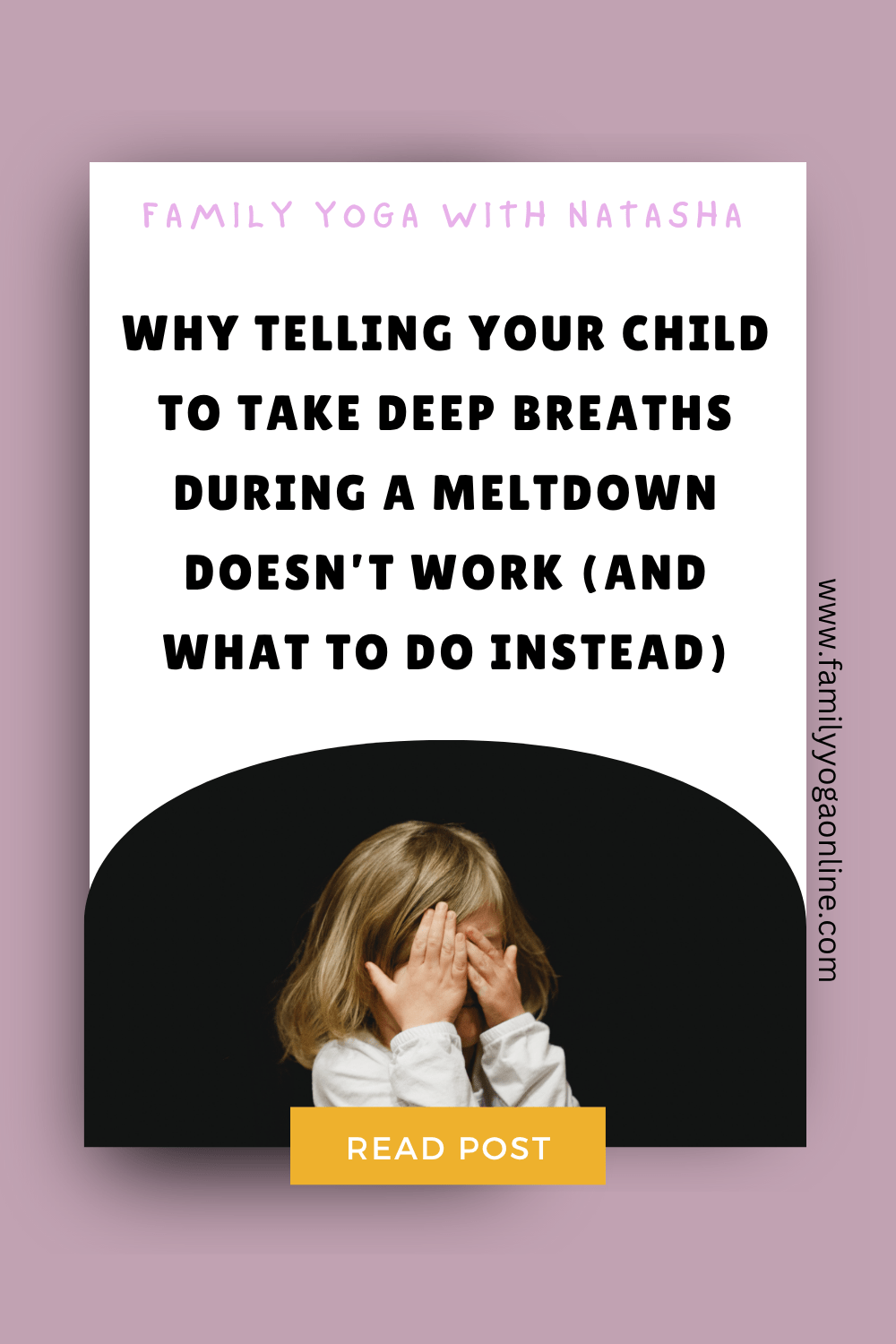
You’ve probably said it before.
“Take a deep breath.”
“Calm down.”
“It’s not a big deal.”
You meant well. Of course you did. You just want to help your child feel better. To find calm again.
But in the middle of a meltdown, those well-meaning words often fall flat. And even worse, they can actually escalate things.
And you’re left wondering…
“Why isn’t this working?”
“Am I doing something wrong?”
“Aren’t they too old to be acting like this?”
Here’s the truth no one really tells you:
First, let’s clear this up: What’s the difference between a tantrum and a meltdown?
This confusion alone can make you feel like you’re failing when you’re not.
✦ A tantrum is goal-driven.
It’s usually a child’s attempt to communicate frustration — often because they want something (like a snack, toy, or more screen time).
It might involve yelling, crying, or even throwing things — but it tends to lessen when they get what they want or realize it won’t work.
Think of a tantrum as testing boundaries and communicating how they feel about those boundaries.
✦ A meltdown, on the other hand, is a full nervous system overload.
It’s not about control — it’s about loss of control.
Meltdowns are often triggered by sensory overload, emotional overwhelm, fatigue, or accumulated stress.
They can look similar to tantrums, but they’re not attention seeking in any way, they’re nervous-system based.
And here’s the important part:
You can’t “discipline” a meltdown away. You have to support your child through it.
🧠 What’s happening in your child’s brain during a meltdown?
When your child is emotionally dysregulated, they’re not thinking logically. Their nervous system is fired up. Their “thinking brain” (the prefrontal cortex) is offline, and their “feeling brain” (the amygdala) is in control.
That’s why saying “just breathe” or “calm down” often makes things worse.
It’s asking them to access skills they can’t reach right now.
It’s not about them being defiant.
It’s not about attention-seeking.
It’s not about poor parenting.
It’s about development and nervous system regulation.
And it’s about something called a skill gap.
So… what’s a “skill gap” in emotional regulation?
A skill gap is when a child doesn’t yet have the tools to name, manage, or communicate their big emotions, or at least not consistently.
They may scream, lash out, withdraw, lie, or “act silly” during stressful moments.
It’s not manipulation. It’s them needing support.
In fact, a child might lie and say they feel sick or act like they don’t care, not because they’re misbehaving, but because they don’t know how to say:
“I’m overwhelmed.”
“I feel off today.”
“I’m worried and I don’t know why.”
So what can you do during a meltdown?
Here’s what helps far more than “just breathe” when your child is dysregulated:
1. Co-regulate before you educate
Instead of instructing, focus on connection.
Be a calm, grounding presence.
“I’m here.”
“You’re safe.”
“It’s okay to feel this way.”
Your nervous system helps regulate theirs.
2. Model the breath, don’t demand it
If you know breathing helps, try doing it yourself first. Visibly and audibly.
Not as a lesson. Not to “make them join.”
But to invite calm energy into the space.
They may start to match your rhythm naturally, especially once they feel safe.
3. Practice when they’re not upset
This is key. It’s the thing I say over and over again!
Nervous system tools we practice through yoga such as mindful breathing, movement, or sensory regulation need to be practiced when your child is calm.
This builds what I call a “regulation toolkit” — something they can reach for next time big emotions arise.
The truth is: emotional regulation is a learned skill – just like riding a bike.
No one would expect a child to master cycling without wobbling, falling, and getting help along the way.
The same goes for managing emotions.
Your child is still learning.
And honestly? So are most adults. I know you know who 😂
So if your child melts down and can’t “just breathe,” it’s not a failure but an opportunity.
An invitation to teach, to guide, and to build skills for life.
Here’s the bottom line:
💛 Your child isn’t giving you a hard time. They’re having a hard time.
💛 “Take a deep breath” only works when the nervous system feels safe and ready.
💛 What helps most is connection, not correction.
💛 You are doing enough. And the work you’re doing now matters deeply.
Want support building that toolkit — for your child and yourself?
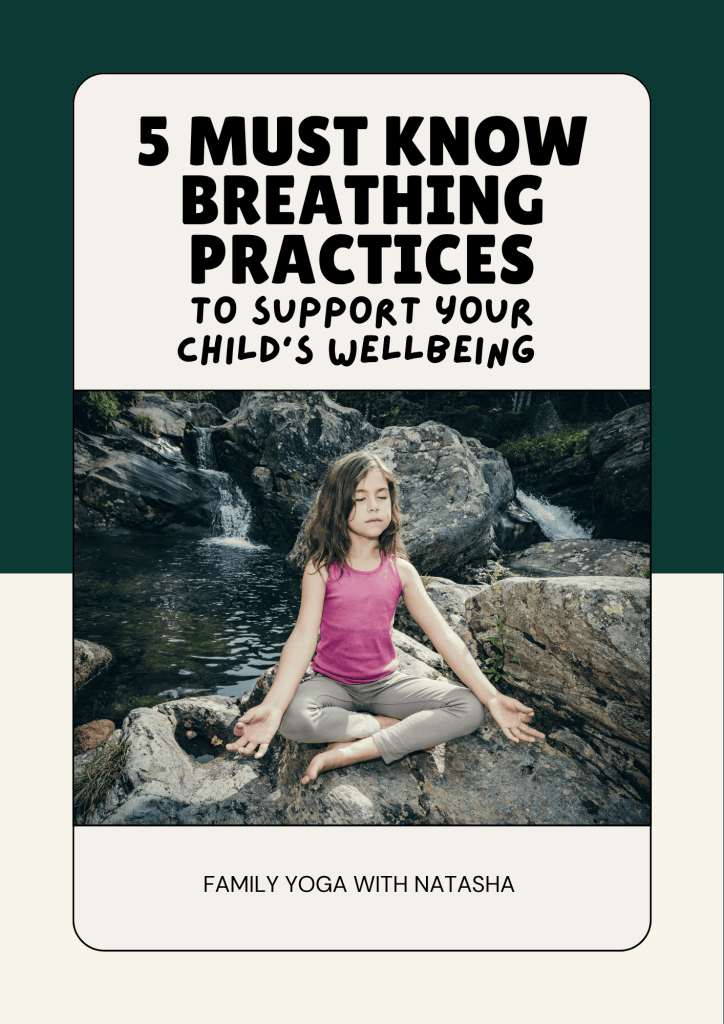
Check out my free guide: “Must-Know Breathing Practices for Kids” – a simple, calming resource you can use together.
Start Calming Down – Together.
Upcoming Family Yoga Class
Or join us for my next Breathe With Me: Family Yoga Class – a playful, co-regulating space for children aged 4–12 and their grown-ups. Sign Up Today.
You’re not alone in this and you’re doing so much better than you think.
Watch more on this topic here:
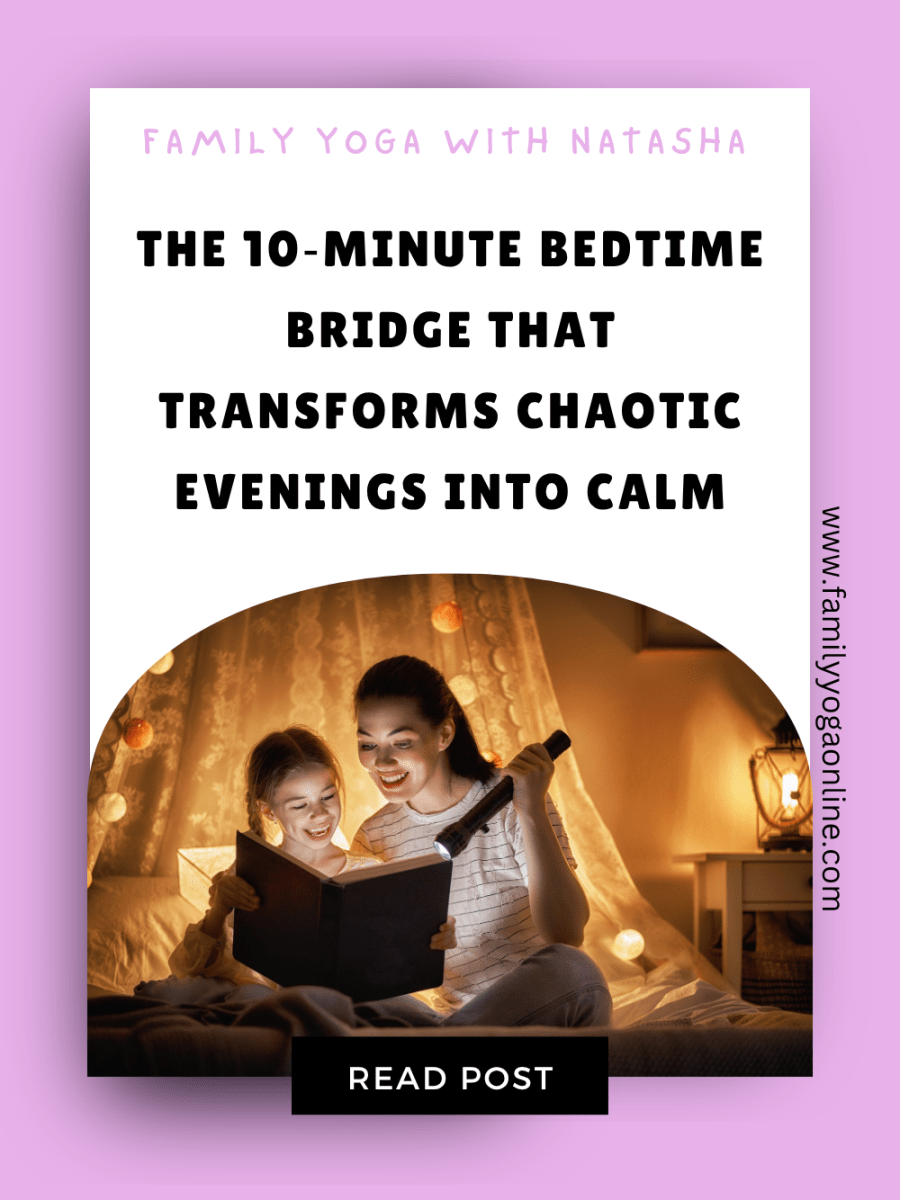
The 10‑Minute Bedtime Bridge That Transforms Chaotic Evenings into Calm
Because stressful nights don’t need to end in battles (or guilt). Real Talk: Messy Bedtimes Happen Let’s be honest… I am not the mum who has her evenings perfectly organised, where the kids calmly go to bed at 7 p.m. and I get this magical “me time” after. Nope. Sometimes it’s 9 p.m. and no one’s in…


I don’t always want to practice Yoga with my Children
This might surprise you, especially coming from someone who talks about yoga together sooo much, but I don’t always want to practice yoga with my children. And sometimes… they don’t want to practice with me either. The other day, I rolled out my mat ready for my own practice. And like a moth to a…
Why “Just Take a Deep Breath” Often Doesn’t Work (And What Actually Helps)
“Take a deep breath.” It’s one of the most common pieces of advice we hear…. to support children and ourselves, told to anyone who looks overwhelmed, angry or having a tough time. And while it’s usually said with care, compassion, and good intention… it so often falls flat. You’ve probably seen it.You suggest a deep…
 Family Yoga with Natasha
Leave a comment